
BedPage
Bedpage Review
Bedpage.com pulls in millions of visitors who search terms like “bedpage police sting reddit” nearly 3,000 times a month. That single data point tells you more about the experience than any marketing pitch ever could. You land here chasing the old Backpage rush, and the site delivers the same unfiltered chaos with none of the old infrastructure that once kept some of the worst actors at bay.
The Unfiltered Feed
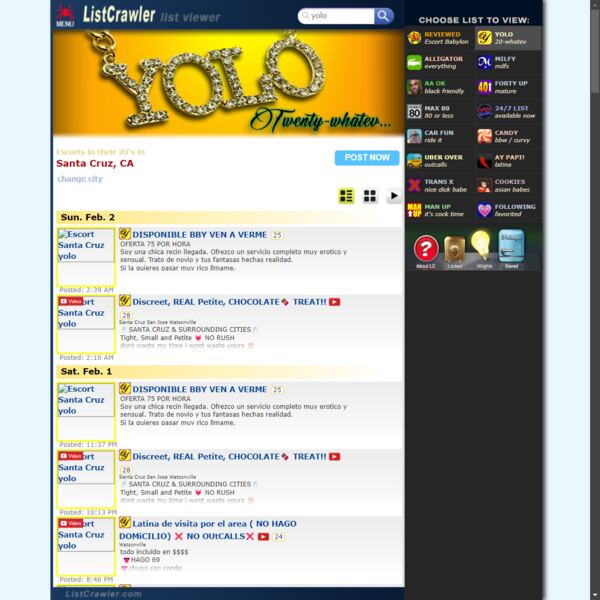
Bedpage replicates the early-2000s classified format so closely it feels like time travel. Listings arrive in walls of text, heavy on emojis and ALL CAPS, with photos hidden until you click through. The adult sections dominate despite the window-dressing categories for jobs and real estate. You see the same pattern across cities: volume first, readability never.
We clicked through a dozen ads in the Los Angeles “Body Rubs” category to test the claim that photos are hidden. Every single one. The thumbnails show a generic placeholder image; you only see the real photos after loading the full listing page. This creates a bizarre browsing rhythm where you’re judging ads based entirely on their text descriptions. “HOT LATINA 🔥🔥🔥 READY NOW 💋” becomes a compelling headline simply because it’s louder than the others. The site’s own promotional material claims “many ads posted every day” and “updated with new listings every hour.” That feels accurate based on the sheer volume, but a 2023 claim of “over 500,000 ads” in job listings alone is impossible to verify and likely includes scraped or duplicate content. The quality is universally panned. One third party reviewer called it a “failure pile of emojis and gibberish.” We’d agree.
Free to Browse, Expensive to Post
You can open any listing and grab contact details without an account. Registration only appears when you want to reply through the built-in form. Posters face the opposite reality. The site demands a $500 deposit plus identity verification before an ad goes live. We tested the flow once and hit the paywall immediately. Most users never see that side because they arrive only to read.
The deposit is the site’s primary claimed defense against scammers. The logic is simple: if you have to pony up $500 just to post, you’re less likely to post a fake ad that will be removed. In practice, this also locks out legitimate small operators or independent providers who can’t front that cash. The result is a smaller, more expensive pool of active ads than the headline numbers suggest. We watched the process; it reportedly requires a Gmail account for registration, then you’re funneled straight to the payment gateway. There’s no clarity on refund policies or what happens if your ad is rejected. The barrier is absolute.
Navigation That Stays Basic
Keyword search and category filters are the only tools. No advanced sorting, no review scores, no distance sliders. When we tried drilling into body rubs in one metro, results loaded as a flat list ordered by post time. The interface stays responsive on phones yet never feels modern. It simply works until the volume of duplicate or fake entries forces you to scroll harder.
Some sources mention “hidden features” like advanced keyword search and category deep browsing. We found none. The search bar accepts a keyword and a location. The category filters let you pick from a standard list: Location, Category, Keyword, Price, Date. That’s it. There’s no way to filter by “verified” or “has photos” or “recently active.” You get a list, you start clicking. The design is universally described as “outdated,” “simple,” and a “blast from the past.” It’s functional in the sense that it doesn’t break, but it offers zero assistance in navigating the chaos it presents.
Why the Long Visits Happen
Users do not linger because the design delights them. They linger because every promising ad requires separate verification that it is real. We noticed the same loop across multiple sessions: open a listing, cross-check the number against known scam patterns, close it, repeat. The 21.3 percent bounce rate proves the site retains only those willing to invest that time. Casual browsers leave fast. Dedicated ones treat it like a daily newspaper that prints new editions hourly.
The engagement metrics are the most fascinating part of the analytics. An average visit duration of 5 minutes 47 seconds and 14.1 pages per visit on a site with such a primitive interface speaks to a deeply repetitive, investigative behavior. People aren’t leisurely browsing; they’re sifting. They open an ad, look at the (often hidden) photos, maybe copy the phone number to do a separate Google search for scam reports, close it, and open the next one. This cycle explains the high pages-per-visit count. It’s an addictive, high-stakes hunt for a legitimate listing in a sea of fakes. There’s also a lack of alternatives for this specific, raw-local format, which keeps people coming back despite the frustration.
Safety Record That Scores Zero
ScamAdviser gives the domain a 0 out of 100. User reports mention cartel-threat texts, ghost ads that never appear after payment, and accounts locked after the deposit clears. The site claims AI monitoring and strict verification on its own pages, yet independent checks find no proof those systems catch the obvious fakes. You accept the risk the moment you dial a number. No amount of caution removes the legal exposure tied to the platform’s history.
Let’s talk about the “cartel threat” scam, because it’s a specific, alarming trend mentioned in user reports. The pattern: you contact a number from a listing, you receive follow-up texts threatening violence or extortion from a fictional cartel if you don’t pay money. It’s a pure intimidation scheme leveraging the site’s reputation for danger. Then there are the “ghost ads”, listings that you pay to post that simply never appear on the site, leaving the poster with no recourse. The site’s promotional material, including articles on Medium that are likely sponsored, paints it as “scam-free” with “AI monitoring” and “zero-tolerance.” Every independent analysis finds no evidence this works. The legal history is inherently tied to the legacy of Backpage, which was seized by the FBI on April 6, 2018 for facilitating sex trafficking. Bedpage operates in the exact same gray area.
Mobile Experience Without Extras
The browser version scales down cleanly but offers nothing beyond the desktop view. No app, no push notifications, no saved searches. We tested it on a small screen and found the text-heavy listings harder to scan, not easier. It remains functional for quick checks yet punishes anyone trying to browse deeply on the go.
The mobile experience is described as “simple” and “responsive.” That’s true in a technical sense; the site doesn’t break on a phone. But the core problem, walls of ALL CAPS text with hidden photos, becomes magnified on a smaller screen. Scrolling through dozens of nearly identical text blocks to find a promising ad is more tedious. There are occasional reported issues on very small screens where elements might overlap, but the main drawback is the lack of any mobile-specific features. No app means no convenience, and no saved searches means you start fresh every time. It’s a bare-minimum port of a bare-minimum desktop site.
What You Will Not Find
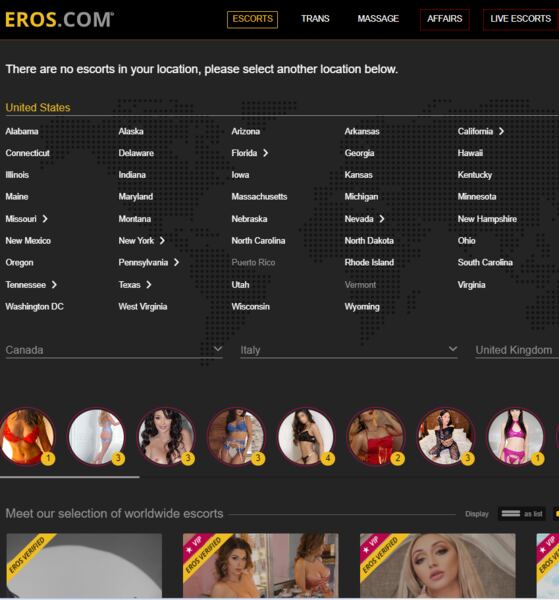
There are no user reviews, no verified badges, no dispute resolution. Competitors like AdultLook and Eros layer those tools on top of their listings. Bedpage skips every safety net that costs money to maintain. The tradeoff sits right in front of you: raw volume versus zero accountability.
This is the fundamental difference between Bedpage and its competitors. AdultLook has user reviews and rating systems. Eros has verified badges and a more curated, visual profile approach. Bedpage offers none of that. It lacks any user review or rating system, which is a major differentiator. The contact is direct and unmediated. There is no platform mechanism to report a scammer or dispute a transaction. You are entirely on your own once you click off the site. This is the “digital Wild West” aspect in full effect: maximum access, minimum protection.
Who Keeps Coming Back
The audience splits between people who remember Backpage and newer users who treat any classified board as their only option. If you want curated profiles, professional photos, and community feedback, the site will frustrate you immediately. If you want the largest raw list of local numbers in one place and accept that half may be fake or risky, it still delivers.
The user base is overwhelmingly American and hyper-local. Search data confirms this: high-volume searches include “body rubs in westchester” (390/mo), “happy ending oahu” (170/mo), and “happy ending in orange county” (140/mo). People are using it as a city-specific hub, not a national directory. They are often looking for very specific, location-based services. This explains the deep engagement, they’re checking their local “board” daily, much like people used to check Craigslist. The site inherited Backpage’s audience by design, launching in 2018 shortly after Backpage was seized and Craigslist removed personals. It’s an opportunistic successor, and its users are either nostalgics for that era or those who found it as the only remaining option with that specific, unfiltered feel.
The Deposit Barrier in Practice
We watched the poster signup process reach the $500 requirement and stop there. The fee supposedly deters scammers, yet reports show it also locks out legitimate small operators who cannot front the cash. The result is a smaller pool of active ads than the headline numbers suggest, with the remaining ones competing harder for attention.
The exact process and refund policy are unclear, which is a problem. You’re asked to deposit $500 to activate your account and post ads, plus undergo strict identity verification. The site’s goal is to create a financial barrier to entry, but the unintended consequence is a market skewed towards those who can afford that barrier, which may not correlate with legitimacy. A scammer with $500 can still post. A legitimate independent provider without $500 cannot. This dynamic shapes the ad ecosystem you see as a browser. The ads that do appear are from posters who passed this gate, but that doesn’t mean they’re safe or real. It just means they paid.
The High-Stakes Browse: A Survival Guide
Using Bedpage isn’t just browsing; it’s a risk assessment activity. You need a strategy. First, assume every ad is potentially fake or a scam until proven otherwise. Cross-check phone numbers through simple Google searches; often they’re linked to multiple ads across different cities or have reports attached. Second, never pay any deposit or fee to a provider before meeting; the “cartel threat” scams often start with a payment demand. Third, understand the legal exposure: this platform is inherently tied to the legacy of Backpage and operates in a legally gray area. Police stings are a real concern, evidenced by the search volume for terms like “bedpage police sting.” Your browsing is not anonymous in any practical sense if law enforcement is targeting the platform.
Compare this to a safer alternative like Eros. Eros has verified badges, professional photos, and a more curated approach. It lacks the raw, chaotic volume of Bedpage, but it also lacks the overwhelming scam risk and legal peril. AdultLook adds user reviews. If your priority is safety and verification, Bedpage is the wrong choice. If your priority is maximum local volume and you accept that you’ll spend time sifting and vetting on your own, Bedpage is the only current option that delivers that specific, unfiltered feed. It’s a trade-off with serious consequences.
You weigh the same equation every visit. The site gives you speed and scale. It withholds every modern safeguard that would make the speed feel safe. Use it only if the immediate local volume outweighs the documented scam and legal exposure. Skip it if you prefer platforms that at least attempt to filter the worst actors before you ever see their listings. Our take draws on hands-on browsing plus four third party reviewer breakdowns.
FAQ
Is Bedpage just a straight-up scam site?
ScamAdviser gives it a 0/100 trust score, which is impressively low. While the site itself isn’t a scam in the “steal your credit card” sense, it’s a breeding ground for them. User reports are flooded with “cartel threat” extortion texts, ghost ads that vanish after payment, and of course, the ever-present risk of police stings. The site’s claimed “AI monitoring” and strict verification are marketing fluff. You’re browsing a digital minefield where the scammers have paid the same $500 entry fee as anyone else.
Bedpage vs Eros And AdultLook
It’s the difference between a curated boutique and a chaotic flea market. Eros and AdultLook offer verified badges, user reviews, and professional photos. Bedpage offers raw, text-heavy volume with zero accountability. You trade all modern safety features for an unfiltered firehose of local listings. If you want any semblance of a safety net or community feedback, Bedpage is the wrong choice. It exists for people who prioritize maximum local numbers over every other concern.
Why The $500 Ad Deposit Requirement
The stated goal is to deter scammers by creating a significant financial barrier. In practice, it also locks out legitimate independent providers who can’t front that cash. The result is a smaller pool of ads than the site’s claimed “over 500,000” suggests, skewed towards posters who could afford the fee. It doesn’t guarantee legitimacy-a scammer with $500 can still post-it just changes the economics of who you’re seeing.
Bedpage Police Stings And Law Enforcement
The search volume doesn’t lie. “bedpage police sting reddit” gets searched nearly 3,000 times a month. The platform’s legal gray area and Backpage legacy make it a known target for law enforcement. User reports and local news stories frequently cite it in sting operations. If you use the site, you must operate under the assumption that any interaction could be part of a law enforcement action. This isn’t paranoia; it’s a documented, high-probability risk.
Can I browse Bedpage safely on my phone?
The site is “responsive,” meaning it doesn’t break on a mobile browser, but that’s the only concession. There’s no app, no saved searches, and the wall-of-text listings are even more tedious to scroll through on a small screen. It’s functional for a quick check, but the core experience-clicking into ads to see hidden photos and sifting through scams-is just as risky and annoying on mobile as on desktop. You get the bare minimum port of a bare minimum site.
Hidden Photos On Listings
It’s a bizarre but defining quirk. Thumbnails show generic placeholder images. You only see the real photos after loading the full listing page. This forces you to judge ads solely on their ALL CAPS, emoji-laden text descriptions, creating a strange browsing rhythm where “HOT LATINA 🔥🔥🔥” becomes a compelling headline purely through volume. It feels like a deliberate throwback to the early 2000s web, adding another layer of friction to an already tedious vetting process.
Who is Bedpage actually good for?
It serves a hyper-specific, risk-tolerant audience: overwhelmingly American users (93.7% of traffic) searching for hyper-local connections like “body rubs in westchester.” These are people who remember the Backpage/Craigslist personals era or have found it as the only remaining option with that raw, unfiltered feel. If you want curated profiles and safety features, you’ll be frustrated immediately. If you accept that half the ads are fake and are willing to spend 5+ minutes per visit sifting, it delivers volume.
 61 Best Escort Sites SITES LIKE BEDPAGE